Roofing in Miami, Florida: Everything Homeowners Need to Know
Miami Roofing Experts for Extreme Weather Conditions

Roofing in Miami, Florida is unlike roofing anywhere else in the country. Between intense heat, high humidity, salt air, and hurricane-force winds, your roof must be built to withstand some of the harshest conditions in the U.S.
If you’re a homeowner or property manager in Miami, choosing the right roofing system—and the right contractor—is critical to protecting your investment.
Why Roofing in Miami Is Different
Miami sits in a High-Velocity Hurricane Zone (HVHZ), which means roofing systems must meet extremely strict standards.
Key Challenges:
- Hurricane winds up to 175 mph
- Heavy rain and moisture year-round
- Intense UV exposure and heat
- Salt air corrosion near coastal areas
Because of these factors, roofing materials and installation methods must meet Miami-Dade County approvals (NOA) before they can even be used
Best Roofing Materials for Miami Homes

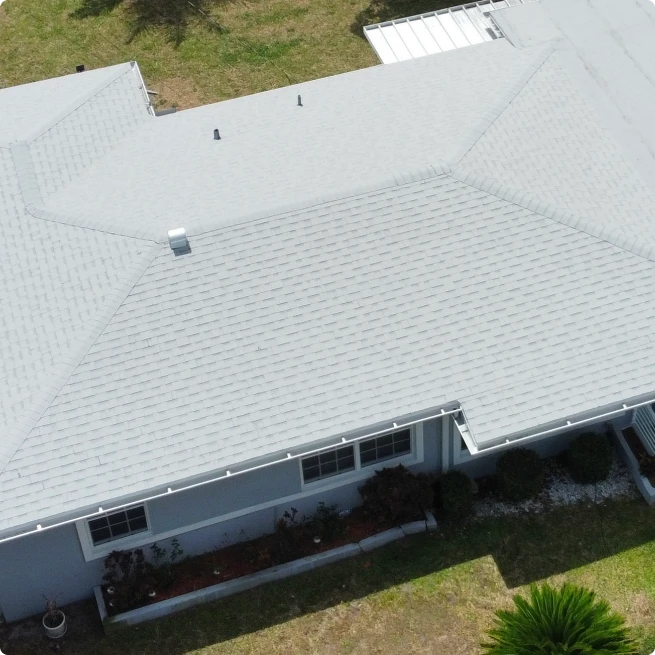

Choosing the right material is one of the most important decisions you’ll make.
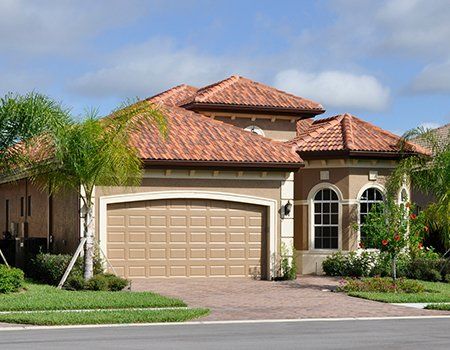
1. Concrete Tile Roofing (Top Choice)
- Lasts 20–30+ years in Miami conditions
- Excellent wind resistance
- Handles heat and humidity extremely well
Concrete tile is widely considered the most durable option for South Florida homes
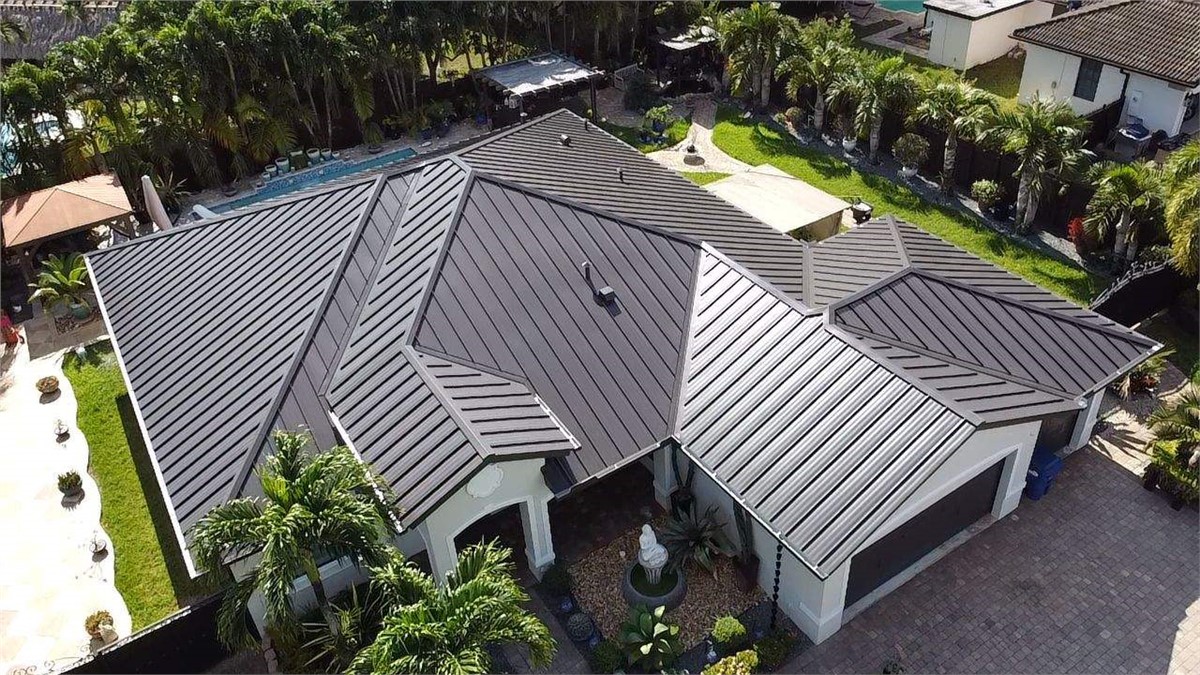
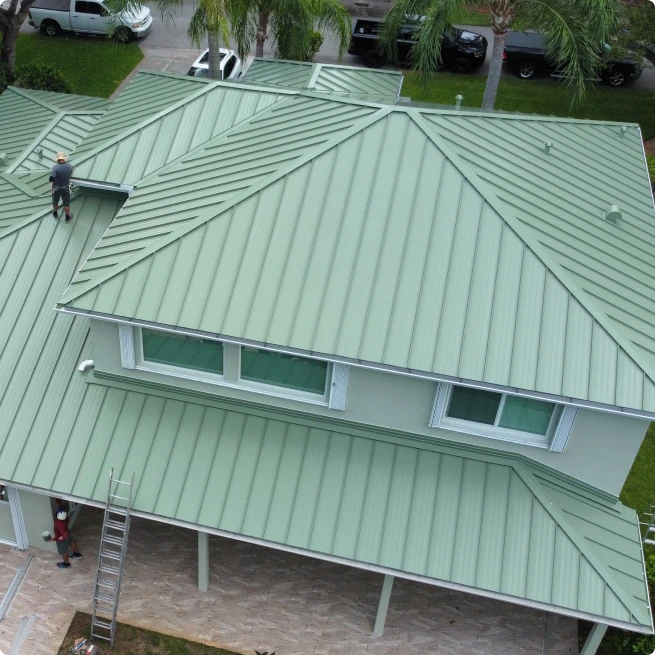
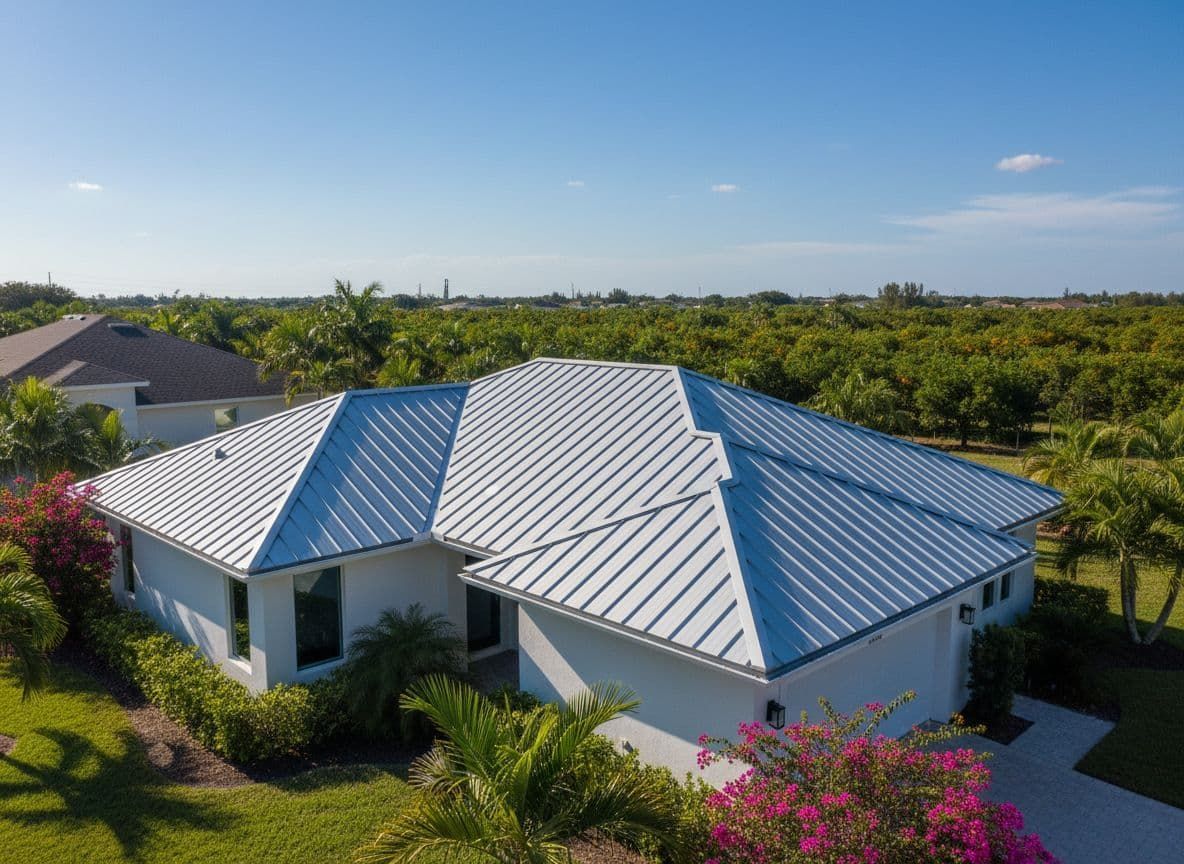
2. Metal Roofing
- Reflects heat → lowers cooling costs
- Strong against high winds and storms
- Long lifespan (40+ years)
Metal roofs are ideal for homeowners focused on energy efficiency and durability
3. Asphalt Shingles
- Most affordable upfront
- Easier to install
- Shorter lifespan in Miami climate
Shingles are common, but they don’t last as long in extreme heat and humidity compared to tile or metal
4. Flat & Membrane Roofing (Commercial & Modern Homes)
- TPO, PVC, and modified bitumen systems
- Designed for water resistance and reflectivity
- Popular for modern architecture
Miami Roofing Code Requirements
Roofing in Miami isn’t just about materials—it’s about strict compliance.
Important Code Requirements:
- Must withstand high wind uplift and impact testing
- Requires secondary water barrier systems
- Materials must have Florida Product Approval or NOA
These regulations are designed to prevent roof failure during hurricanes, which is one of the biggest risks in South Florida.
Signs You Need a New Roof in Miami
Because of the climate, roofs in Miami wear out faster than in other states.
Watch for:
- Cracked or broken tiles
- Missing or lifting shingles
- Interior leaks after heavy rain
- Mold or mildew in the attic
- Rust or corrosion (metal roofs)
If you notice these issues, it’s important to act quickly before storm season.
Roof Replacement vs Roof Repair in Miami
Roof Repair
Best for:
- Minor leaks
- Small storm damage
- Isolated issues
Roof Replacement
Best for:
- Roofs over 15–20 years old
- Major storm damage
- Repeated repairs
In Miami, many homeowners opt for full replacement to upgrade to hurricane-rated systems.
How Long Does a Roof Last in Miami?
Typical lifespans in South Florida:
- Tile roof: 25–30+ years
- Metal roof: 40+ years
- Shingle roof: 15–20 years
Due to extreme conditions, roofs often age faster than national averages.
Choosing the Right Roofing Contractor in Miami
Not all contractors are qualified to work in Miami’s strict environment.
Look for:
- Licensed and insured in Florida
- Experience with HVHZ codes
- Knowledge of Miami-Dade approvals
- Strong local reviews
Hiring the wrong contractor can lead to failed inspections, leaks, or storm damage.
Financing & Insurance Considerations
Many Miami homeowners replace roofs due to storm damage.
Good to Know:
- Insurance may cover hurricane damage
- Financing options are widely available
- Energy-efficient roofs can reduce utility costs
Get a Roof Built for Miami Weather
Your roof is your home’s first line of defense against hurricanes, heat, and moisture. Choosing the right system—and installing it correctly—can mean the difference between peace of mind and costly damage.
Need Roofing Help?
If you’re looking for reliable roofing services in Miami, Florida, work with professionals who understand:
- Hurricane-resistant installation
- Miami-Dade building codes
- Long-lasting material options